Open an HSA account. When you have one of these, it will help you pay for expenses that your health insurance plan doesn’t cover. If you’re enrolled in a high-deductible insurance plan, you and possibly your employer can contribute pre-tax dollars into this account, from which you’ll use funds you’ve stocked away for qualified medical expenses. Whatever money you don’t use will roll over to the next year, unlike FSA accounts.
Consolidate debt. Why pay a bunch of different interest rates on all your credit cards? If you have debt, find one card with a very low-interest rate and do a balance transfer. Some credit cards offer 0 percent APR as an introductory rate, which will be a big savings to get a jumpstart on becoming debt-free. Here are a few good ones: Bank of America® Travel Rewards Credit Card now offers 0 percent APR for 18 months. Discover it® Cash Back offers 0 percent APR for 15 months. Find other great deals here.
Cut how much you pay on car insurance. Have you shopped around lately? We know this might seem like a pain, as it takes a lot of time, but here’s some good news, and it’s called The Zebra. This amazing site has done all the heavy lifting for you. Here, you’ll find dozens of real-time comparisons from many trusted companies.
Max out your 401K. This year, the maximum yearly contribution limit has been raised by $200 to $22,500 (up from $20,500 in 2022). Even better, if you’re over 50, you can set aside catch-up contributions of $7,500, allowing a total contribution of up to $30,000. This allowance lets older workers add as much as they can so that when they retire, they’ll be in a better financial situation.
Update your W-4. No one likes a shock when it comes to paying taxes. That’s why this is such a smart idea. And the IRS actually has a tool that can help you: The Tax Withholding Estimator. Go here to find out if your employer is taking enough money out for taxes. If you’re falling short, you’ll know. Better to learn and fix this before it’s too late.
Create a net worth statement. When you have a realistic idea of your assets and liabilities, you’ll be able to see whether or not you’re on the right track with retirement. This way, you’ll be able to set up new goals for yourself if you feel you need to.
Keeping up with your finances, while time-consuming, really pays off. If you try one (or all) of these hacks, you’ll be better off in no time.
In light of our current economy, making sure your money works hard for you is one of the best things to do this year. Here are some ways you can navigate your financial situation, keep tabs on where you are, and adjust if you need to.
Shop for a higher return on savings. These days, every extra cent counts. That’s why it pays to look around for higher rates on savings accounts. Several places to check out are PNC (4.65 percent APY), Sofi (up to 4.4 percent APY), and American Express (4 percent APY). Here are a few others. Rates may increase even more with the Federal Reserve’s rate hike announcement on July 27.
Open an HSA account. When you have one of these, it will help you pay for expenses that your health insurance plan doesn’t cover. If you’re enrolled in a high-deductible insurance plan, you and possibly your employer can contribute pre-tax dollars into this account, from which you’ll use funds you’ve stocked away for qualified medical expenses. Whatever money you don’t use will roll over to the next year, unlike FSA accounts.
Consolidate debt. Why pay a bunch of different interest rates on all your credit cards? If you have debt, find one card with a very low-interest rate and do a balance transfer. Some credit cards offer 0 percent APR as an introductory rate, which will be a big savings to get a jumpstart on becoming debt-free. Here are a few good ones: Bank of America® Travel Rewards Credit Card now offers 0 percent APR for 18 months. Discover it® Cash Back offers 0 percent APR for 15 months. Find other great deals here.
Cut how much you pay on car insurance. Have you shopped around lately? We know this might seem like a pain, as it takes a lot of time, but here’s some good news, and it’s called The Zebra. This amazing site has done all the heavy lifting for you. Here, you’ll find dozens of real-time comparisons from many trusted companies.
Max out your 401K. This year, the maximum yearly contribution limit has been raised by $200 to $22,500 (up from $20,500 in 2022). Even better, if you’re over 50, you can set aside catch-up contributions of $7,500, allowing a total contribution of up to $30,000. This allowance lets older workers add as much as they can so that when they retire, they’ll be in a better financial situation.
Update your W-4. No one likes a shock when it comes to paying taxes. That’s why this is such a smart idea. And the IRS actually has a tool that can help you: The Tax Withholding Estimator. Go here to find out if your employer is taking enough money out for taxes. If you’re falling short, you’ll know. Better to learn and fix this before it’s too late.
Create a net worth statement. When you have a realistic idea of your assets and liabilities, you’ll be able to see whether or not you’re on the right track with retirement. This way, you’ll be able to set up new goals for yourself if you feel you need to.
Keeping up with your finances, while time-consuming, really pays off. If you try one (or all) of these hacks, you’ll be better off in no time.
These articles are intended to provide general resources for the tax and accounting needs of small businesses and individuals. Service2Client LLC is the author, but is not engaged in rendering specific legal, accounting, financial or professional advice. Service2Client LLC makes no representation that the recommendations of Service2Client LLC will achieve any result. The NSAD has not reviewed any of the Service2Client LLC content. Readers are encouraged to contact a professional regarding the topics in these articles. The images linked to these articles are protected by copyright and should not be copied for any reason.
According to the 2023 Insider Threat Report by Cybersecurity Insiders, 74 percent of organizations say insider attacks have become more frequent. The same percentage of organizations also believe they are at least moderately vulnerable to insider threats.
Experts attribute the rise in insider threats to various factors, including the effect of economic instability leading to businesses focusing on revenue growth and leaving gaps in security investments. There also has been an increase in layoffs in the tech industry that can result in disgruntled ex-employees doing damage as they leave the workplace. Overworked employees also might cut corners that create security issues, such as configuration, system access or unused accounts. Insider threats are also made more complex as many organizations migrate their workloads to the cloud, introducing new challenges.
How to Identifying Insider Threats
Insider threats are difficult to detect. However, it helps to look out for compromise indicators such as inappropriate behavior. Here is a more specific list of red flags:
Unusual access and log in, especially from an insider who doesn’t have certain access rights to data or systems.
Abnormal network search activity for sensitive information on networks, intranets, databases, or applications.
Unusual copying or downloading of sensitive information to an unauthorized destination such as email or removable media.
Misuse of tools, either foreign or installed. Detecting unfamiliar tools on a system is a compromise indicator. However, a savvy insider may even use trusted enterprise tools to execute an attack. In such a case, behavior such as access to a system outside regular working hours or access from unusual locations could indicate a compromise.
Unwillingness to comply with security policies. Employees who consistently disregard security protocols and policies might pose a risk to the organization’s security.
Mitigating Insider Threats
Proactive measures that can help mitigate insider threats include:
Employee training and awareness: Conduct regular security awareness and training programs to educate employees about the significance of insider threats and their role in preventing them.
Role-based access control: Implement a robust access control model that ensures individuals have access to only the resources required for their specific job roles, reducing the potential impact of an insider breach.
Behavioral analytics: Employ advanced analytics tools to monitor user behavior and detect inconsistencies that could indicate suspicious actions.
Develop clear exit procedures: these include the revocation of access privileges and retrieval of company-owned devices and sensitive information from employees leaving the organization.
Continuous monitoring and adaptation: Insider threats keep evolving, necessitating ongoing monitoring and constant adaptation of new security measures.
Preventing Insider Threats
Conduct comprehensive background checks and verify references during the hiring process to minimize the risk of malicious insiders entering the organization.
Ensure employees have proficient skills in deploying and managing complex cloud solutions.
Encourage open communication, foster mutual trust, and support employees to reduce the likelihood of disgruntlement.
Extend security considerations to contractors, suppliers, and partners with access to the organization’s data or systems.
Implement endpoint security solutions to monitor and analyze activities on user devices such as workstations or laptops.
Conclusion
While staying alert for cyberattacks from outside is critical, organizations must not forget that the most significant risk can come from inside the business. Even with the most comprehensive cybersecurity defenses against external hackers, failing to create proactive measures for internal security leaves critical assets open to hidden dangers within the organization’s walls.
Insider Threats: Identifying, Mitigating and Preventing Internal Security Risks in Organizations
August 1, 2023 · Blog, What's New in Technology
⏱ 4 min read
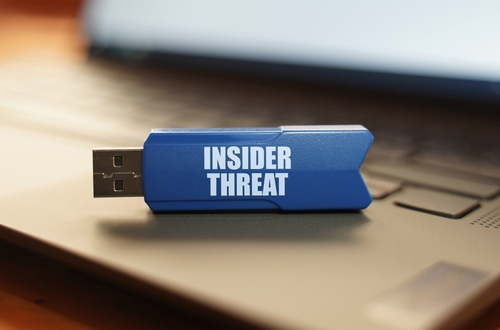
One of the most devious and often underestimated dangers in cybersecurity comes from within an organization. These dangers originate from individuals within the organization who have access to sensitive data and systems, making them potentially dangerous adversaries capable of causing significant harm. Understanding, identifying, mitigating, and preventing these internal security risks are paramount for safeguarding an organization’s assets and preserving its integrity.
What is an Insider Threat?
Insider threats are security risks posed by employees, contractors, vendors, or anyone who has access to an organization’s data or systems. Accidental or intentional insiders cause internal threats. An accidental insider could unknowingly cause breaches due to negligence, human error or falling prey to social engineering tactics. For example, an employee clicks on a link in a phishing email, causing a malware infection.
On the other hand, insiders can intentionally engage in data theft, sabotage, or intellectual property theft, driven by motives such as financial gain, revenge or espionage.
A good example took place in May 2022 when a Yahoo employee stole trade secrets after receiving a job offer from The Trade Desk, a competitor. Another example is that of an employee fired from Stradis Healthcare who hacked into the former employer’s network in March 2020 and deleted critical shipping data.
According to the 2023 Insider Threat Report by Cybersecurity Insiders, 74 percent of organizations say insider attacks have become more frequent. The same percentage of organizations also believe they are at least moderately vulnerable to insider threats.
Experts attribute the rise in insider threats to various factors, including the effect of economic instability leading to businesses focusing on revenue growth and leaving gaps in security investments. There also has been an increase in layoffs in the tech industry that can result in disgruntled ex-employees doing damage as they leave the workplace. Overworked employees also might cut corners that create security issues, such as configuration, system access or unused accounts. Insider threats are also made more complex as many organizations migrate their workloads to the cloud, introducing new challenges.
How to Identifying Insider Threats
Insider threats are difficult to detect. However, it helps to look out for compromise indicators such as inappropriate behavior. Here is a more specific list of red flags:
Unusual access and log in, especially from an insider who doesn’t have certain access rights to data or systems.
Abnormal network search activity for sensitive information on networks, intranets, databases, or applications.
Unusual copying or downloading of sensitive information to an unauthorized destination such as email or removable media.
Misuse of tools, either foreign or installed. Detecting unfamiliar tools on a system is a compromise indicator. However, a savvy insider may even use trusted enterprise tools to execute an attack. In such a case, behavior such as access to a system outside regular working hours or access from unusual locations could indicate a compromise.
Unwillingness to comply with security policies. Employees who consistently disregard security protocols and policies might pose a risk to the organization’s security.
Mitigating Insider Threats
Proactive measures that can help mitigate insider threats include:
Employee training and awareness: Conduct regular security awareness and training programs to educate employees about the significance of insider threats and their role in preventing them.
Role-based access control: Implement a robust access control model that ensures individuals have access to only the resources required for their specific job roles, reducing the potential impact of an insider breach.
Behavioral analytics: Employ advanced analytics tools to monitor user behavior and detect inconsistencies that could indicate suspicious actions.
Develop clear exit procedures: these include the revocation of access privileges and retrieval of company-owned devices and sensitive information from employees leaving the organization.
Continuous monitoring and adaptation: Insider threats keep evolving, necessitating ongoing monitoring and constant adaptation of new security measures.
Preventing Insider Threats
Conduct comprehensive background checks and verify references during the hiring process to minimize the risk of malicious insiders entering the organization.
Ensure employees have proficient skills in deploying and managing complex cloud solutions.
Encourage open communication, foster mutual trust, and support employees to reduce the likelihood of disgruntlement.
Extend security considerations to contractors, suppliers, and partners with access to the organization’s data or systems.
Implement endpoint security solutions to monitor and analyze activities on user devices such as workstations or laptops.
Conclusion
While staying alert for cyberattacks from outside is critical, organizations must not forget that the most significant risk can come from inside the business. Even with the most comprehensive cybersecurity defenses against external hackers, failing to create proactive measures for internal security leaves critical assets open to hidden dangers within the organization’s walls.
These articles are intended to provide general resources for the tax and accounting needs of small businesses and individuals. Service2Client LLC is the author, but is not engaged in rendering specific legal, accounting, financial or professional advice. Service2Client LLC makes no representation that the recommendations of Service2Client LLC will achieve any result. The NSAD has not reviewed any of the Service2Client LLC content. Readers are encouraged to contact a professional regarding the topics in these articles. The images linked to these articles are protected by copyright and should not be copied for any reason.
These articles are intended to provide general resources for the tax and accounting needs of small businesses and individuals. Service2Client LLC is the author, but is not engaged in rendering specific legal, accounting, financial or professional advice. Service2Client LLC makes no representation that the recommendations of Service2Client LLC will achieve any result. The NSAD has not reviewed any of the Service2Client LLC content. Readers are encouraged to contact a professional regarding the topics in these articles. The images linked to these articles are protected by copyright and should not be copied for any reason.
These articles are intended to provide general resources for the tax and accounting needs of small businesses and individuals. Service2Client LLC is the author, but is not engaged in rendering specific legal, accounting, financial or professional advice. Service2Client LLC makes no representation that the recommendations of Service2Client LLC will achieve any result. The NSAD has not reviewed any of the Service2Client LLC content. Readers are encouraged to contact a professional regarding the topics in these articles. The images linked to these articles are protected by copyright and should not be copied for any reason.
These articles are intended to provide general resources for the tax and accounting needs of small businesses and individuals. Service2Client LLC is the author, but is not engaged in rendering specific legal, accounting, financial or professional advice. Service2Client LLC makes no representation that the recommendations of Service2Client LLC will achieve any result. The NSAD has not reviewed any of the Service2Client LLC content. Readers are encouraged to contact a professional regarding the topics in these articles. The images linked to these articles are protected by copyright and should not be copied for any reason.
These articles are intended to provide general resources for the tax and accounting needs of small businesses and individuals. Service2Client LLC is the author, but is not engaged in rendering specific legal, accounting, financial or professional advice. Service2Client LLC makes no representation that the recommendations of Service2Client LLC will achieve any result. The NSAD has not reviewed any of the Service2Client LLC content. Readers are encouraged to contact a professional regarding the topics in these articles. The images linked to these articles are protected by copyright and should not be copied for any reason.
Do you have to travel in July? What about August? Are the fall and December holidays out of the question? If you aren’t stuck on a certain time of year, you’ll realize some significant savings. Also, must you leave town on a Friday? What about a Tuesday or Thursday? Choosing to fly on weekdays can dramatically change the price of your ticket. Plus, flights can be less crowded.
Create a budget – and Stick To It
While this is a challenge, it’s not impossible. That’s why it’s important to think about where you want to go. For example, San Francisco and New York City might be a little on the pricey side. Another thing to consider is how long you want to be away. If you’re thinking about a two-week-long vacation, you might want to be a little stricter with how much you spend each day. That said, don’t be too strict! The whole idea of a holiday escape is to kick back and dive into the culture of a new place.
Choose a Budget-Friendly Destination
As mentioned above, choosing a vacation destination that won’t break the bank is a strategic way to cut costs. Southeast Asia and South America are great places to start. If you’ve decided you must go to Europe, you might want to stay away from the Scandinavian countries. Although they’re crazy beautiful, they have some of the highest cost of living index scores. One way to get ahead of what you might spend is to check out cost of living sites, where you’ll find current stats, estimates, and calculations of how much you might spend each day.
Don’t Overpack
While it’s probably irresistible to overpack (I want to have choices!), if you can travel light, you’ll save on bag fees big time. Even better, if you can limit what you’re taking to just a carry-on, you’ll really avoid those pesky charges, plus it’ll give you the ability to breeze on and off the plane in no time. In terms of what you bring, this also requires some forethought. While packing multiple bathing suits and shorts (if you’re going somewhere tropical) is fun, these fashionable items might be taking the place of necessary gear like a raincoat, a warm hoodie or even a sweater. So take a breath, think through your days, and get packing – judiciously, that is.
Find Free Activities
Before you head out on your adventure, let your fingers do the walking over to your favorite search engine and get going. Search “free stuff to do” (or the like) at your intended destination. You’ll find things like free museums, parks, gardens, and festivals. Then let your feet do the walking! Getting outside, weather permitting, and strolling is one of the best ways to soak in a city.
When you can stay on budget and have a fabulous time with family and friends, you’ll not only come back with amazing memories; you’ll also return without a lot of debt. And that’s a fantastic feeling that will stick with you for a good while.
The thrill of summer travel is always invigorating, but the prices to get there can be a real bummer. But not to fear. We’re here with some smart tips that will help you navigate in this price jungle and have a wonderful, memory-filled getaway.
Plan Way Ahead
Even though you can sometimes find great deals at the last minute, if you can wrap your head around thinking in advance about your vacay (especially if you’re buying long-haul flights), it’ll pay off. For instance, if you’re traveling to Europe or Asia, you’ll find that buying your tickets early not only provides significant savings but also gives you a jump start on exploring other aspects of your trip, like hotels and excursions. Some helpful sites for comparing prices are Expedia, Kayak, and Priceline. Check these when planning so you can snag the best deals.
Be Flexible
Do you have to travel in July? What about August? Are the fall and December holidays out of the question? If you aren’t stuck on a certain time of year, you’ll realize some significant savings. Also, must you leave town on a Friday? What about a Tuesday or Thursday? Choosing to fly on weekdays can dramatically change the price of your ticket. Plus, flights can be less crowded.
Create a budget – and Stick To It
While this is a challenge, it’s not impossible. That’s why it’s important to think about where you want to go. For example, San Francisco and New York City might be a little on the pricey side. Another thing to consider is how long you want to be away. If you’re thinking about a two-week-long vacation, you might want to be a little stricter with how much you spend each day. That said, don’t be too strict! The whole idea of a holiday escape is to kick back and dive into the culture of a new place.
Choose a Budget-Friendly Destination
As mentioned above, choosing a vacation destination that won’t break the bank is a strategic way to cut costs. Southeast Asia and South America are great places to start. If you’ve decided you must go to Europe, you might want to stay away from the Scandinavian countries. Although they’re crazy beautiful, they have some of the highest cost of living index scores. One way to get ahead of what you might spend is to check out cost of living sites, where you’ll find current stats, estimates, and calculations of how much you might spend each day.
Don’t Overpack
While it’s probably irresistible to overpack (I want to have choices!), if you can travel light, you’ll save on bag fees big time. Even better, if you can limit what you’re taking to just a carry-on, you’ll really avoid those pesky charges, plus it’ll give you the ability to breeze on and off the plane in no time. In terms of what you bring, this also requires some forethought. While packing multiple bathing suits and shorts (if you’re going somewhere tropical) is fun, these fashionable items might be taking the place of necessary gear like a raincoat, a warm hoodie or even a sweater. So take a breath, think through your days, and get packing – judiciously, that is.
Find Free Activities
Before you head out on your adventure, let your fingers do the walking over to your favorite search engine and get going. Search “free stuff to do” (or the like) at your intended destination. You’ll find things like free museums, parks, gardens, and festivals. Then let your feet do the walking! Getting outside, weather permitting, and strolling is one of the best ways to soak in a city.
When you can stay on budget and have a fabulous time with family and friends, you’ll not only come back with amazing memories; you’ll also return without a lot of debt. And that’s a fantastic feeling that will stick with you for a good while.
These articles are intended to provide general resources for the tax and accounting needs of small businesses and individuals. Service2Client LLC is the author, but is not engaged in rendering specific legal, accounting, financial or professional advice. Service2Client LLC makes no representation that the recommendations of Service2Client LLC will achieve any result. The NSAD has not reviewed any of the Service2Client LLC content. Readers are encouraged to contact a professional regarding the topics in these articles. The images linked to these articles are protected by copyright and should not be copied for any reason.
Unfortunately, data breach cases keep rising. May 2023 alone saw numerous breaches from different organizations, including healthcare organizations, education institutions, the transportation department, and even tech giants.
For companies, the consequences of data breaches are reputation damage, loss of consumer trust, intellectual property theft, financial loss, and fines due to failure to conform with data protection legislation. While cyber criminals mainly target organizations, individuals also experience identity theft and financial crimes. This especially happens when stolen data is sold on the dark web or publicly published.
What action can data-breach victims take?
Unfortunately, no one is immune from a data breach. However, victims can survive a breach with less disruption. Once a data breach has occurred, the U.S. breach notification law requires businesses or governments to notify those affected immediately after its discovery.
Although companies are responsible for securing customer data in their possession, customers also have a role to play in securing their data. Essential steps to take include:
Being aware of any site claiming to be a data breach check site. Such sites could ask for personal information or ask a victim to click a link to verify their details. Hackers also take advantage of a breach and pose as the affected company to lure victims into clicking malicious links, primarily through emails. A user must, therefore, first confirm that a breach happened. This can be in the news or on the affected company’s website.
Change passwords for accounts exposed. In most cases, affected companies will notify victims of their affected accounts, and their security team will provide instructions on how to stay safe. Such instructions include changing passwords on the breached site or any other account that uses similar login credentials.
Set up two-factor or multi-factor authentication (2FA/MFA). This extra security measure will require a one-time user code to log in to an account in addition to the login and password.
Notify the bank. If financial-related data is stolen, such as credit card information, the bank must be notified immediately to freeze the cards.
Credit freeze. Cybercriminals can use stolen data to open new accounts and take loans. To avoid a ruined credit score, individuals can request a credit freeze from major credit bureaus such as Experian, Equifax, and TransUnion.
Monitor personal accounts for any unusual transactions. Although it depends on the type of data breach and exposed data, victims must look out for unauthorized transactions, including bank account transactions, medical bills, insurance claims, and tax refund claims.
File a report with the Federal Trade Commission (FTC). If criminals have already used personal data, filing an identity theft report will serve as proof to clear one’s name or dispute a fraudulent transaction.
Practice cyber hygiene. These are practices that help individuals remain safe online. Aside from account security, consumers must use up-to-date software and operating systems, antivirus software, and avoid publishing too much personal information to minimize online footprints that fraudsters can easily access, such as on social media.
It is worth noting that data breaches are not detected immediately, which means that by the time users get notified, cybercriminals already have had access to the data for some time. And as technology advances, cybercriminals are taking advantage of new technologies, such as generative AI, for phishing attacks. This means that more data breaches may continue to be witnessed.
However, users can help prevent future data breaches by using strong passwords, being cautious of phishing scams, and regularly monitoring financial accounts.
What Actions Can Data-Breach Victims Take?
July 1, 2023 · Blog, What's New in Technology
⏱ 4 min read
Over the years, millions of individuals have been affected by data breaches, where their sensitive data is accessed by unauthorized cybercriminals or publicly exposed. A data breach can result in huge financial loss if stolen data is used to compromise consumer identity, which also can affect a credit score.
Unfortunately, there is a great number of people who don’t know what to do if affected by a breach. At the same time, there are those in the know who do nothing.
What is a Data Breach?
A data breach is a cyber security incident that exposes sensitive data such as names, contact details, bank details, Social Security numbers, etc.
Data breaches are the work of criminals who aim to obtain specific data. Criminals do this through various methods, including phishing attacks, malware attacks, targeted attacks, vulnerability exploits, and loss or theft of devices. However, data breaches are also a result of technical or human errors. For example, a misconfiguration error exposed the car location data of 2 million Toyota customers in Japan and overseas for 10 years; and the work of an insider led to Tesla’s massive data breach.
Unfortunately, data breach cases keep rising. May 2023 alone saw numerous breaches from different organizations, including healthcare organizations, education institutions, the transportation department, and even tech giants.
For companies, the consequences of data breaches are reputation damage, loss of consumer trust, intellectual property theft, financial loss, and fines due to failure to conform with data protection legislation. While cyber criminals mainly target organizations, individuals also experience identity theft and financial crimes. This especially happens when stolen data is sold on the dark web or publicly published.
What action can data-breach victims take?
Unfortunately, no one is immune from a data breach. However, victims can survive a breach with less disruption. Once a data breach has occurred, the U.S. breach notification law requires businesses or governments to notify those affected immediately after its discovery.
Although companies are responsible for securing customer data in their possession, customers also have a role to play in securing their data. Essential steps to take include:
Being aware of any site claiming to be a data breach check site. Such sites could ask for personal information or ask a victim to click a link to verify their details. Hackers also take advantage of a breach and pose as the affected company to lure victims into clicking malicious links, primarily through emails. A user must, therefore, first confirm that a breach happened. This can be in the news or on the affected company’s website.
Change passwords for accounts exposed. In most cases, affected companies will notify victims of their affected accounts, and their security team will provide instructions on how to stay safe. Such instructions include changing passwords on the breached site or any other account that uses similar login credentials.
Set up two-factor or multi-factor authentication (2FA/MFA). This extra security measure will require a one-time user code to log in to an account in addition to the login and password.
Notify the bank. If financial-related data is stolen, such as credit card information, the bank must be notified immediately to freeze the cards.
Credit freeze. Cybercriminals can use stolen data to open new accounts and take loans. To avoid a ruined credit score, individuals can request a credit freeze from major credit bureaus such as Experian, Equifax, and TransUnion.
Monitor personal accounts for any unusual transactions. Although it depends on the type of data breach and exposed data, victims must look out for unauthorized transactions, including bank account transactions, medical bills, insurance claims, and tax refund claims.
File a report with the Federal Trade Commission (FTC). If criminals have already used personal data, filing an identity theft report will serve as proof to clear one’s name or dispute a fraudulent transaction.
Practice cyber hygiene. These are practices that help individuals remain safe online. Aside from account security, consumers must use up-to-date software and operating systems, antivirus software, and avoid publishing too much personal information to minimize online footprints that fraudsters can easily access, such as on social media.
It is worth noting that data breaches are not detected immediately, which means that by the time users get notified, cybercriminals already have had access to the data for some time. And as technology advances, cybercriminals are taking advantage of new technologies, such as generative AI, for phishing attacks. This means that more data breaches may continue to be witnessed.
However, users can help prevent future data breaches by using strong passwords, being cautious of phishing scams, and regularly monitoring financial accounts.
Disclaimer
These articles are intended to provide general resources for the tax and accounting needs of small businesses and individuals. Service2Client LLC is the author, but is not engaged in rendering specific legal, accounting, financial or professional advice. Service2Client LLC makes no representation that the recommendations of Service2Client LLC will achieve any result. The NSAD has not reviewed any of the Service2Client LLC content. Readers are encouraged to contact a professional regarding the topics in these articles. The images linked to these articles are protected by copyright and should not be copied for any reason.
These articles are intended to provide general resources for the tax and accounting needs of small businesses and individuals. Service2Client LLC is the author, but is not engaged in rendering specific legal, accounting, financial or professional advice. Service2Client LLC makes no representation that the recommendations of Service2Client LLC will achieve any result. The NSAD has not reviewed any of the Service2Client LLC content. Readers are encouraged to contact a professional regarding the topics in these articles. The images linked to these articles are protected by copyright and should not be copied for any reason.
These articles are intended to provide general resources for the tax and accounting needs of small businesses and individuals. Service2Client LLC is the author, but is not engaged in rendering specific legal, accounting, financial or professional advice. Service2Client LLC makes no representation that the recommendations of Service2Client LLC will achieve any result. The NSAD has not reviewed any of the Service2Client LLC content. Readers are encouraged to contact a professional regarding the topics in these articles. The images linked to these articles are protected by copyright and should not be copied for any reason.

 In light of our current economy, making sure your money works hard for you is one of the best things to do this year. Here are some ways you can navigate your financial situation, keep tabs on where you are, and adjust if you need to.